If you’ve spent any time online recently, you’ve probably noticed something: anime boys are everywhere. They aren’t just characters in Japanese cartoons anymore; they are cultural icons, fashion inspirations, and the subjects of millions of fan edits on TikTok and Instagram.
Whether you’re a long-time otaku who has been watching since the VHS era or someone who just binge-watched Jujutsu Kaisen last weekend, the appeal is undeniable. But what exactly makes these characters so magnetic? Why do we care so much about their stories, their struggles, and yes—their hair?
In this guide, we’re going to break down everything you need to know about the anime boy phenomenon. We’ll look at the different archetypes that define the medium, the specific characters that have stolen hearts globally, and how artists and fans are keeping the culture alive.
The Visual Appeal: A Gallery of Anime Boy Styles
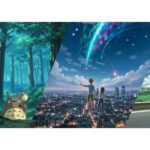
One of the first things you notice about anime is the sheer variety. Unlike western animation, which often sticks to a specific “house style” for decades, anime is a playground of aesthetics. When we talk about an “anime boy,” we aren’t talking about a single look. We are talking about a spectrum of styles that convey personality before a character even speaks.
The Cool & Aloof Type
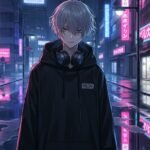
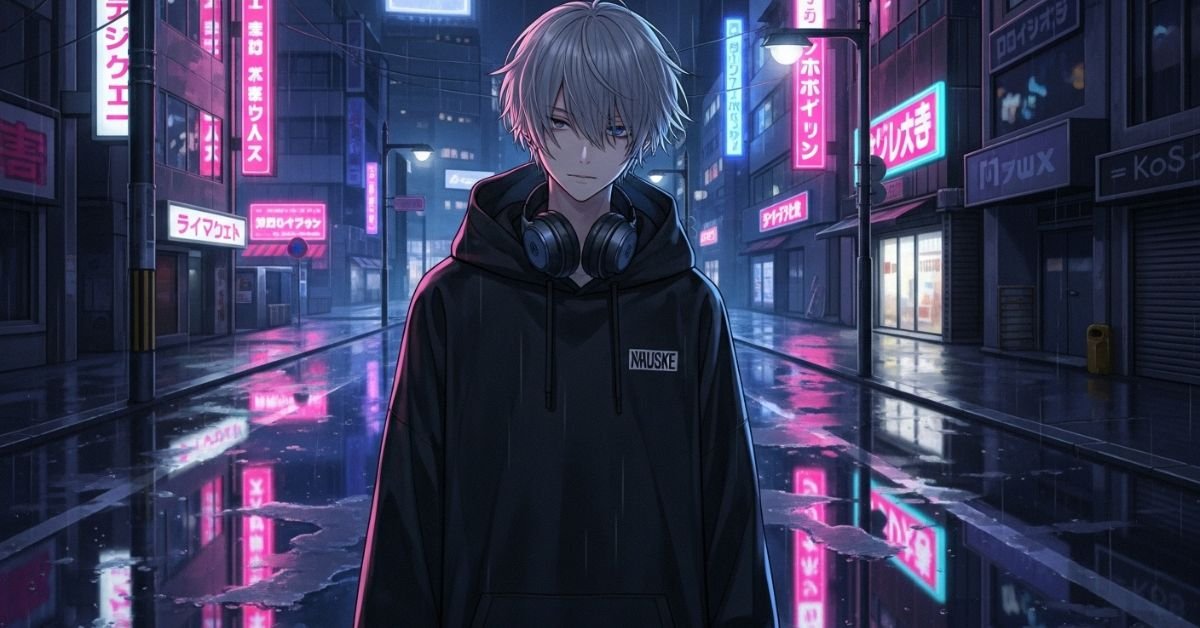
You know this type immediately. He usually stands in the back of the room, arms crossed, saying absolutely nothing until it’s time to save the day. This archetype is often defined by sharp eyes (often called “tsurime” in Japanese character design), darker color palettes, and a messy-yet-perfect hairstyle that defies gravity.
Think of characters like Sasuke Uchiha or Levi Ackerman. The appeal here isn’t just that they are “cool.” It’s the mystery. The visual language—shadows over the eyes, high collars, minimal expressions—tells us there is a complex interior life we need to unravel.
The Energetic & Cheerful Protagonist
On the other end of the spectrum, we have the sunshine characters. These anime boys are designed to be looked at and immediately understood as friendly and determined. They usually have “tareme” (droopy or rounder) eyes, brighter hair colors like orange, green, or pink, and open body language.
Naruto Uzumaki and Izuku Midoriya fit this mold perfectly. Their visual design screams approachability. They are the underdogs you want to root for, and their character designs reflect that openness and vulnerability.
The Dark & Brooding Anti-Hero
This is a step beyond the “cool” type. These characters often have a visual edge that suggests danger. We often see this in characters like Kaneki Ken or Eren Yeager (in later seasons). Their designs might incorporate elements of horror or tragedy—eyepatches, scars, or disheveled appearances that reflect their internal chaos. The aesthetic here is often “broken but beautiful,” appealing to fans who enjoy deeper, more psychological storytelling.
The “Bishounen” or Pretty Boy
“Bishounen” literally translates to “beautiful youth.” This aesthetic focuses on androgynous beauty—slender frames, long eyelashes, and elegant features. It’s a staple of the shoujo genre but appears everywhere. These characters challenge traditional masculinity, offering a softer, more ethereal kind of appeal that has been massive in shaping pop culture trends, even influencing K-pop styling.
The Most Popular Anime Boys of All Time
It’s impossible to list everyone, but some characters have transcended their shows to become legends. These are the guys you see on t-shirts, posters, and profile pictures (PFPs) everywhere.
Satoru Gojo (Jujutsu Kaisen)
Gojo is a modern phenomenon. With his blindfold, white hair, and overpowered abilities, he strikes the perfect balance between goofy mentor and terrifying warrior. He’s arguably the most viral anime boy of the 2020s so far. His popularity stems from his confidence; he knows he’s the strongest, and that swagger is infectious.
Levi Ackerman (Attack on Titan)
Levi proves you don’t need to be the main character—or tall—to be the fan favorite. As humanity’s strongest soldier, his deadpan delivery and obsession with cleaning add layers to what could have been a generic soldier archetype. He represents competence and loyalty, traits that resonate deeply with audiences.
Megumi Fushiguro (Jujutsu Kaisen)
While Gojo is flashy, Megumi is the grounded, stoic counterpart. He represents the “quiet competence” trope. Fans love him because he is deeply caring despite his cold exterior, often prioritizing the safety of others over his own life.
Killua Zoldyck (Hunter x Hunter)
Killua is the classic assassin with a heart of gold. His journey from a cold-blooded killer to a loyal friend is one of the best character arcs in anime history. His “cat-like” behavior and lightning-based powers make him incredibly cool, but his vulnerability regarding his friendship with Gon is what makes him beloved.
Shoto Todoroki (My Hero Academia)
Todoroki’s design tells his story instantly: half white hair, half red hair, and a burn scar over his eye. He represents the struggle of identity and overcoming family trauma. His quiet intensity and slow journey toward emotional openness make him a standout.
L (Death Note)
L redefined what a genius detective looks like. Disheveled, crouching on chairs, and constantly eating sweets, he was the antithesis of the suave James Bond type. He made being weird and intellectual cool, sparking a massive wave of fans mimicking his sitting posture in the mid-2000s.
Creative Corner: Resources for Artists and Fans
The anime community is incredibly creative. If you’re looking to get involved, whether by finding art or creating it yourself, there are endless resources available.
Where to Find High-Quality Anime Boy Art & Inspiration
If you are hunting for a new wallpaper or just need inspiration, Google Images often isn’t enough.
- Pinterest: This is the holy grail for curated collections. Users create boards specifically for “sad anime boys,” “cyberpunk aesthetics,” or “character design sheets.” It’s perfect for mood boarding.
- Pixiv: This is a Japanese community for artists. If you want to see where the trends start, go here. The quality of illustration is typically very high, though you might need to use translation tools to navigate the tags.
- Twitter/X: The “Art Twitter” community is huge. Following specific hashtags like #animeart or character-specific tags is the best way to find artists currently active in the fandom.
Learn to Draw Your Own Anime Boy
Want to draw your own character? Start with the basics.
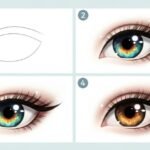
- The Eyes: Anime eyes are the window to the soul. Decide on the shape first. Sharp angles for cool characters, large round shapes for innocent ones.
- The Hair: Don’t draw individual strands. Think of anime hair as clumps or ribbons of volume. It defies physics, so have fun with spikes and gravity-defying bangs.
- Proportions: While styles vary, learning basic anatomy is crucial. Even stylized characters have an underlying structure.
There are fantastic tutorials on YouTube from creators like MikeyMegaMega or Whyt Manga that break these steps down for beginners.
Free Resources & Graphic Assets
For graphic designers or content creators, you don’t always need to draw from scratch. Sites like Freepik offer vector assets that mimic the anime style, which are great for YouTube thumbnails or blog headers. Just remember to check the licensing agreements if you plan to use them for commercial projects.
Frequently Asked Questions About Anime Boys
We see these questions pop up constantly in forums and search bars. Here is the lowdown on the most common queries.
Who is the most famous anime boy?
Historically, Goku from Dragon Ball Z is likely the most recognizable worldwide. However, among the current generation of fans, Levi Ackerman and Satoru Gojo usually top the popularity polls due to their massive social media presence.
What makes an anime character a “bishounen”?
A “bishounen” is defined by his beauty. Unlike rugged, muscular heroes of the 80s, a bishounen is slender, elegant, and often has features that blur the line between masculine and feminine. Think tall, slim, stylish hair, and a focus on emotional sensitivity.
Where can I get wallpapers of anime boys?
Outside of Pinterest, apps like Zedge are great for mobile wallpapers. For desktop, Wallpaper Engine on Steam offers incredible animated wallpapers that can bring your favorite characters to life on your monitor.
What are some good anime with popular male characters?
If you want a show packed with interesting male characters, try:
- Jujutsu Kaisen (Action/Supernatural)
- Haikyuu!! (Sports/Teamwork)
- Blue Lock (Intense Sports/Psychological)
- Free! (Swimming/Slice of Life)
- Bungo Stray Dogs (Mystery/Supernatural)
Final Thoughts
The concept of the “anime boy” is more than just a 2D drawing. It’s a reflection of what audiences find compelling: strength mixed with vulnerability, unique visual styles that break the mold, and stories that allow for deep emotional investment.
Whether you are here to find a new profile picture, learn how to draw that perfect spiky hair, or just appreciate the art form, there is always something new to discover. The medium is constantly evolving, bringing us new heroes (and villains) to obsess over every season. So, who is your favorite?