The ‘cute anime girl’ is more than just a character type; she’s a cornerstone of global pop culture. From iconic heroines in blockbuster series to original characters brought to life by fan artists, this archetype has an enduring appeal that captures hearts worldwide. But what makes these characters so beloved, where can you find the best art, and how can you start drawing them yourself?
This guide is your comprehensive resource, whether you’re a long-time fan, a budding artist, or just someone looking for the perfect phone wallpaper. We’ll explore where to find amazing visual inspiration, break down the key design elements that define “cuteness” in anime, and even walk through the first steps to drawing your very own character. Let’s dive into the vibrant world of cute anime girls.
Finding Your Perfect Cute Anime Girl Wallpaper & Art
One of the most common reasons people search for cute anime girls is to find art. Whether for a desktop background, a profile picture, or just for inspiration, knowing where to look is key. As someone who has spent years curating my own collections, I’ve found a few platforms stand out.
Top Platforms for High-Quality Images
- Pinterest: This is my go-to starting point. Think of it as a massive digital corkboard. You can create your own boards to save and organize art based on style, character, or theme. The algorithm is fantastic at suggesting similar pins, so once you start saving a few images you like, your feed will quickly fill with amazing discoveries. It’s perfect for exploring different aesthetics and finding new artists.
- Freepik & Stock Sites: If you need images for a project, sites like Freepik are invaluable. They offer a mix of free and premium vectors, photos, and PSD files. The key here is the licensing; many free images require attribution, while premium ones offer more freedom. This is the safest route if you plan to use an image for anything beyond personal viewing.
- Art Communities (Pixiv, DeviantArt): For those who want to be on the cutting edge of fan art, Japanese-centric platforms like Pixiv are the ultimate source. This is where many professional and hobbyist artists post their latest work. You’ll find unique, trending art styles here that might not hit mainstream platforms for months. DeviantArt is another long-standing community with a massive library of fan art from artists all over the world.
Keywords to Refine Your Search
A simple search for “cute anime girl” will give you millions of results. To find what you really want, you need to get more specific. Try combining terms to narrow things down.
- Style-based searches: Add terms like “chibi anime girl” for super-deformed, child-like characters, “kawaii anime girl” for a general cute aesthetic, or “aesthetic anime girl” for more stylistic, moody images.
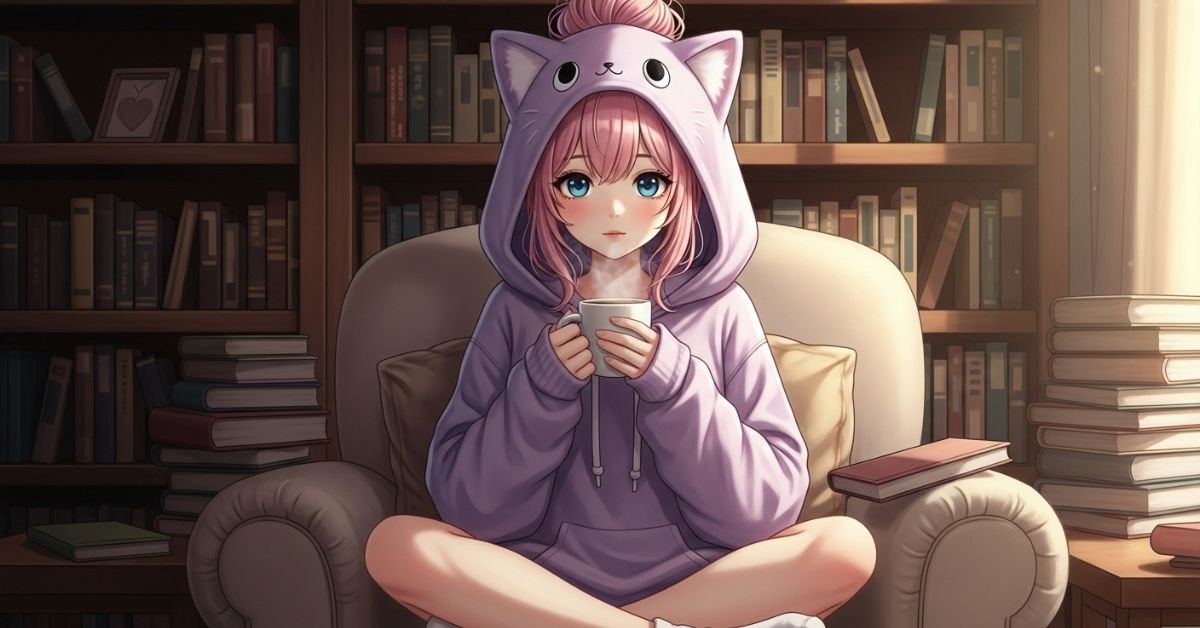
- Theme-based searches: Looking for a specific vibe? Try “fantasy anime girl” for characters with elven ears or magical powers, “sci-fi anime girl” for futuristic designs, or the ever-popular “cute anime girl with cat ears.”
- Color-based searches: Sometimes the color palette is what matters most. Searches like “pink hair anime girl” or “pastel aesthetic anime” can help you find images that match a specific visual style you love.
The Art of Cuteness: Key Elements of a Cute Anime Girl Design
What exactly makes an anime character “cute”? It’s a deliberate combination of artistic choices that artists have refined over decades. When I first started learning to draw, understanding these elements was a breakthrough. They are the building blocks of the entire aesthetic.
Defining Facial Features
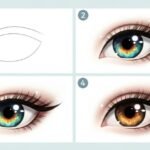
- Large, Expressive Eyes: This is the most crucial element. Big eyes are the window to the soul in anime. The size, shape, and highlights are all used to convey innocence, wonder, and deep emotion. A character’s entire personality can be communicated through their eyes alone.
- Simplified Nose and Mouth: To keep the focus on the eyes, other facial features are often minimized. The nose might be just a small dot, a simple shadow, or a tiny vertical line. The mouth is usually a small, simple curve that can change dramatically to show emotion but remains understated when neutral.
Proportions and Body Language
- Head-to-Body Ratio: Artists often use a larger head-to-body ratio to create a youthful and adorable appearance. In “chibi” styles, this is taken to an extreme, with the head being almost as large as the rest of the body. This mimics the proportions of a toddler, which our brains are hardwired to find cute.
- Playful Poses and Gestures: Body language is huge. A character’s pose can instantly signal cuteness. Common examples include a slight head tilt, making a peace sign, shyly pointing fingers together, or holding a favorite plush toy. These gestures suggest a playful, innocent, or slightly vulnerable personality.
Hair, Fashion, and Accessories
- Vibrant Hair Colors: Unnatural hair colors are a staple of anime. Pinks, blues, purples, and greens are not just stylistic flourishes; they help characters stand out and become instantly recognizable. Flowing, voluminous hair also adds to the dynamic and expressive feel of a character.
- Popular Fashion Tropes: Certain outfits have become synonymous with cuteness in anime. The classic Japanese school uniform (sailor fuku), oversized hoodies (especially animal-themed ones), and frilly lolita-style dresses are all common choices that enhance a character’s adorable appeal.
How to Draw a Cute Anime Girl: A Step-by-Step Guide for Beginners
Seeing all this amazing art can be inspiring. You might even feel the urge to create your own character. The good news is that you don’t need to be a professional artist to start. Here’s a basic breakdown for absolute beginners.
Getting Started: Essential Tools & Basic Shapes
Before you draw a single line, get your tools ready. You don’t need anything fancy.
- Tool Recommendations: A standard HB pencil for light sketching, a 2B pencil for darker lines, a good eraser, and some plain paper are all you need. If you’re drawing digitally, a simple tablet and stylus with any art software will work.
- Foundation of Shapes: Every complex drawing starts with simple shapes. I learned to see characters as a collection of circles, ovals, and cylinders. The head is a circle, the neck is a thin cylinder, the torso is an oval, and the limbs are made of connected cylinders and spheres for joints. Practice drawing these basic forms first.
Sketching the Head and Face
The head is the most important part, so let’s start there.
- Drawing the Head: Draw a circle. Then, add a soft, V-shape to the bottom to create the jaw and chin. This gives you the basic head shape. Next, draw two guidelines: a vertical line down the middle and a horizontal line across the middle. These will help you place the facial features symmetrically.
- Placing the Eyes, Nose, and Mouth: Use the horizontal guideline to position the eyes. In anime, the eyes are typically placed lower on the face than in realistic drawings. Make them large and round or oval. The nose goes right on the vertical line, about halfway between the eyes and the chin. The mouth goes below the nose.
Adding Hair and Final Details
- Creating Flowing Hair: A common mistake beginners make is drawing individual strands of hair. Instead, think of hair as large, flowing shapes or clumps. Start by drawing the hairline, then sketch out the main shapes of the bangs and the rest of the hair. This will give it volume and movement.
- Inking and Finishing Touches: Once your pencil sketch looks good, you can go over the lines you want to keep with a darker pencil or a fine-tipped pen. This is called inking. After the ink is dry, you can erase the original pencil guidelines. From here, you can add shading or color to bring your character to life!
Final Thoughts
The world of the ‘cute anime girl’ is vast and welcoming. It’s a space for appreciation, creativity, and connection. Whether you’re curating a Pinterest board with your favorite characters, using a new wallpaper to brighten your day, or taking the brave first step to draw your own, you’re participating in a global phenomenon. The journey from fan to creator begins with a single step, so don’t be afraid to explore, learn, and make something of your own.
Frequently Asked Questions (FAQ)
What is the difference between “kawaii” and “moe” in anime character design?
“Kawaii” is a broad Japanese term for “cute,” and it can describe anything from a person to an object. “Moe” is a more specific fan term. It describes a particular feeling of strong affection and endearment towards fictional characters, especially those who exhibit innocent, pure, or vulnerable traits that make you want to protect them.
Who are some of the most famous cute anime girl characters?
Some iconic examples include Nezuko Kamado from Demon Slayer, whose character design cleverly balances her demonic side with an undeniable cuteness; Anya Forger from Spy x Family, loved for her hilarious and charming facial expressions; and Kanna Kamui from Miss Kobayashi’s Dragon Maid, who is a perfect example of the “chibi” and “moe” aesthetic.
Can I use anime girl images I find online for my own projects?
This is a very important question. It depends entirely on the source and the license. Images from sites like Freepik and other stock photo platforms come with specific usage rights—some are free for commercial use with attribution, while others are for personal use only. Art you find on Pinterest, Pixiv, or DeviantArt is almost always copyrighted by the original artist. You should never use it for commercial purposes without getting explicit permission. Always check the usage rights.